Soiled Solar
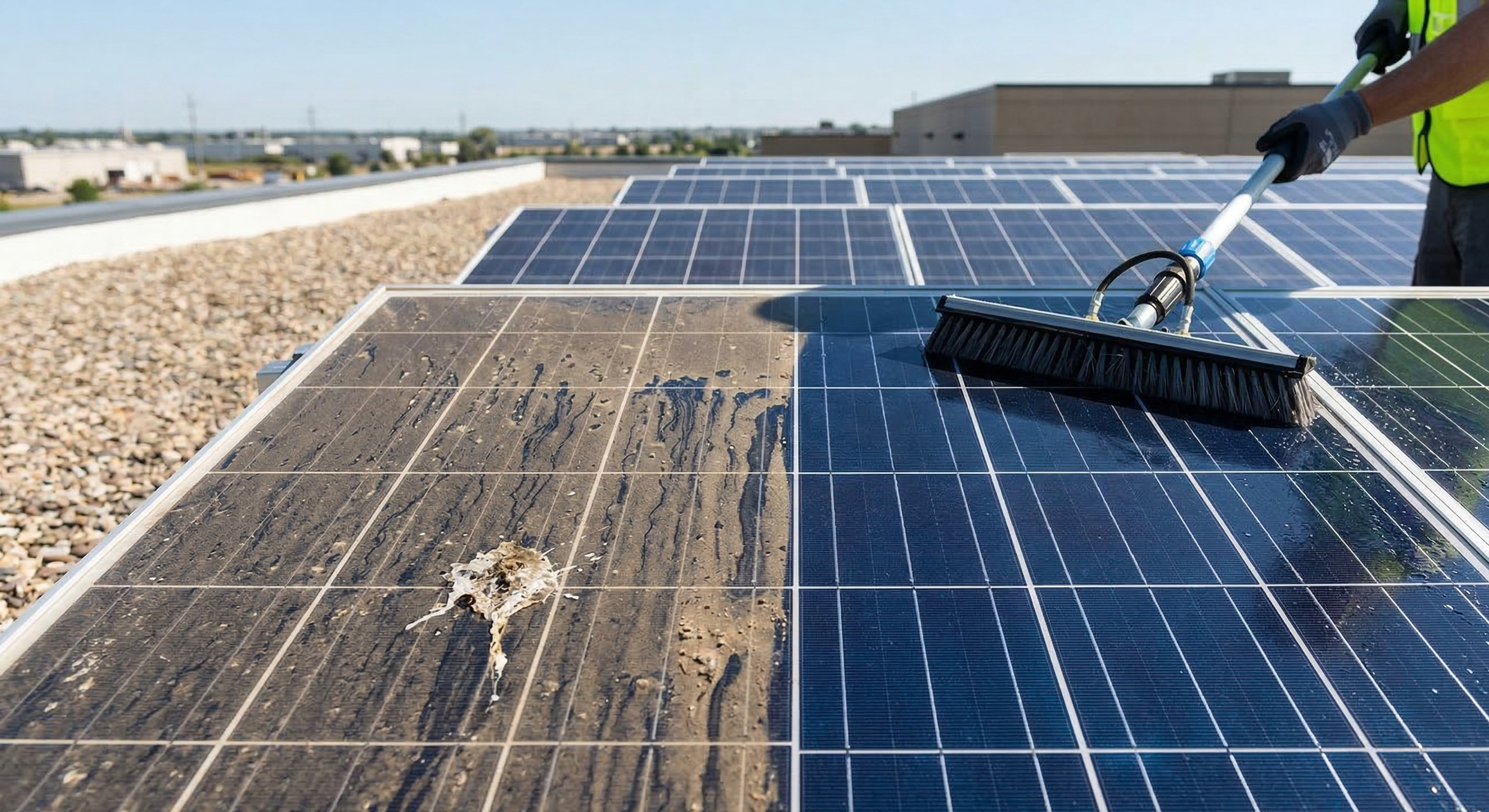
Is dirt costing you thousands?
You invested in solar panels for one reason: to turn sunlight into savings. But there is a silent "tax" being levied on your rooftop every day that most property owners completely overlook. It isn’t from the utility company or the government—it’s from soiling.
At J&J Property Pros, we specialize in asset restoration, and we’ve seen firsthand how a thin layer of dust and grime can transform a high-performing solar array into a stagnant liability. If you haven’t had your panels professionally cleaned this year, you’re likely leaving thousands of dollars on the table.
The Invisible Efficiency Killer
"Soiling" is the industry term for the accumulation of dust, pollen, bird droppings, and industrial pollutants on your solar modules. While it might look like a minor cosmetic issue, the physics of solar energy tells a different story.
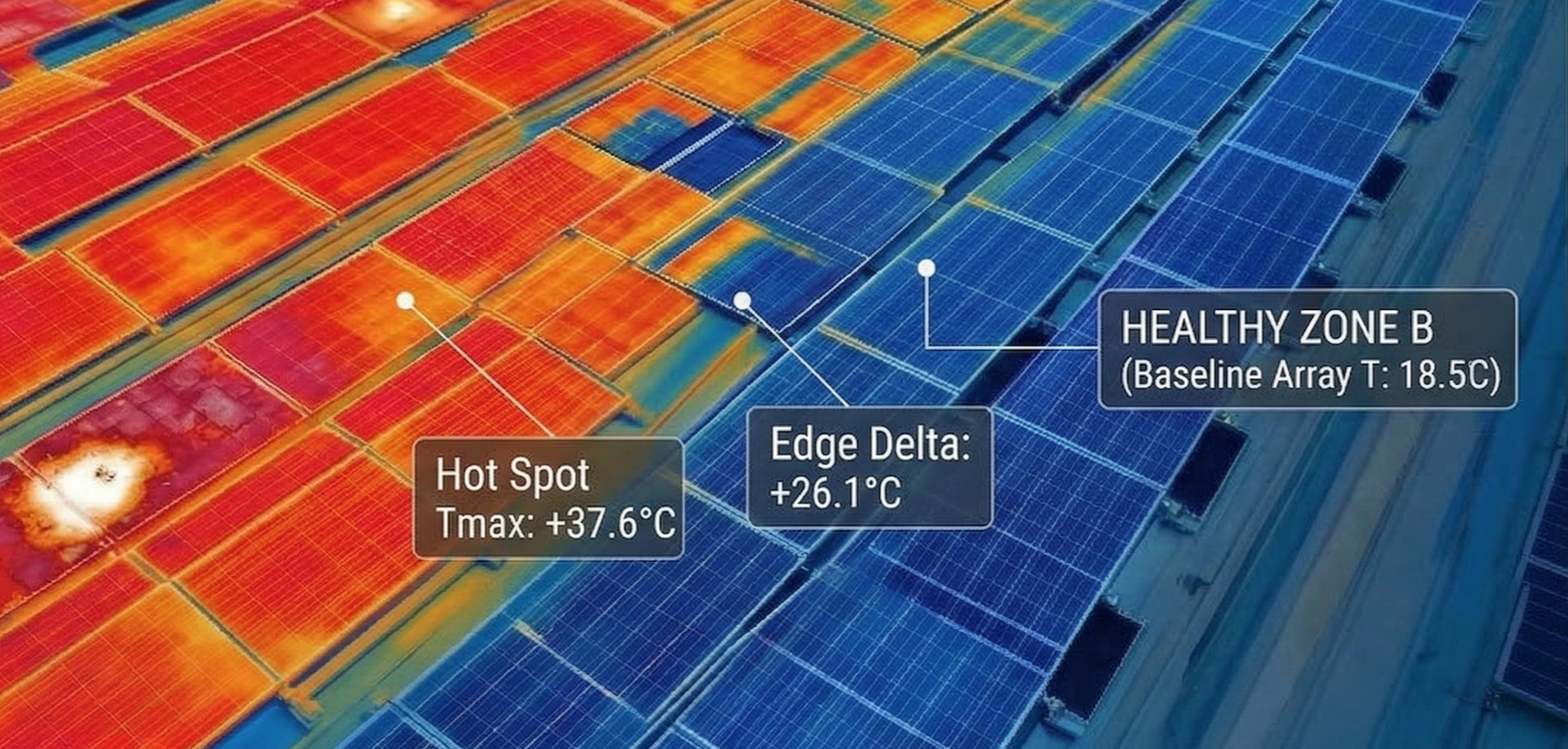
Recent data from the National Renewable Energy Laboratory (NREL) and industry studies from 2025 show that:
The Baseline Loss: Average soiling leads to a 5% to 7% global energy loss annually.
The Arid Tax: In dusty or agricultural areas (like parts of California or Texas), that loss can skyrocket to 25% or even 30%.
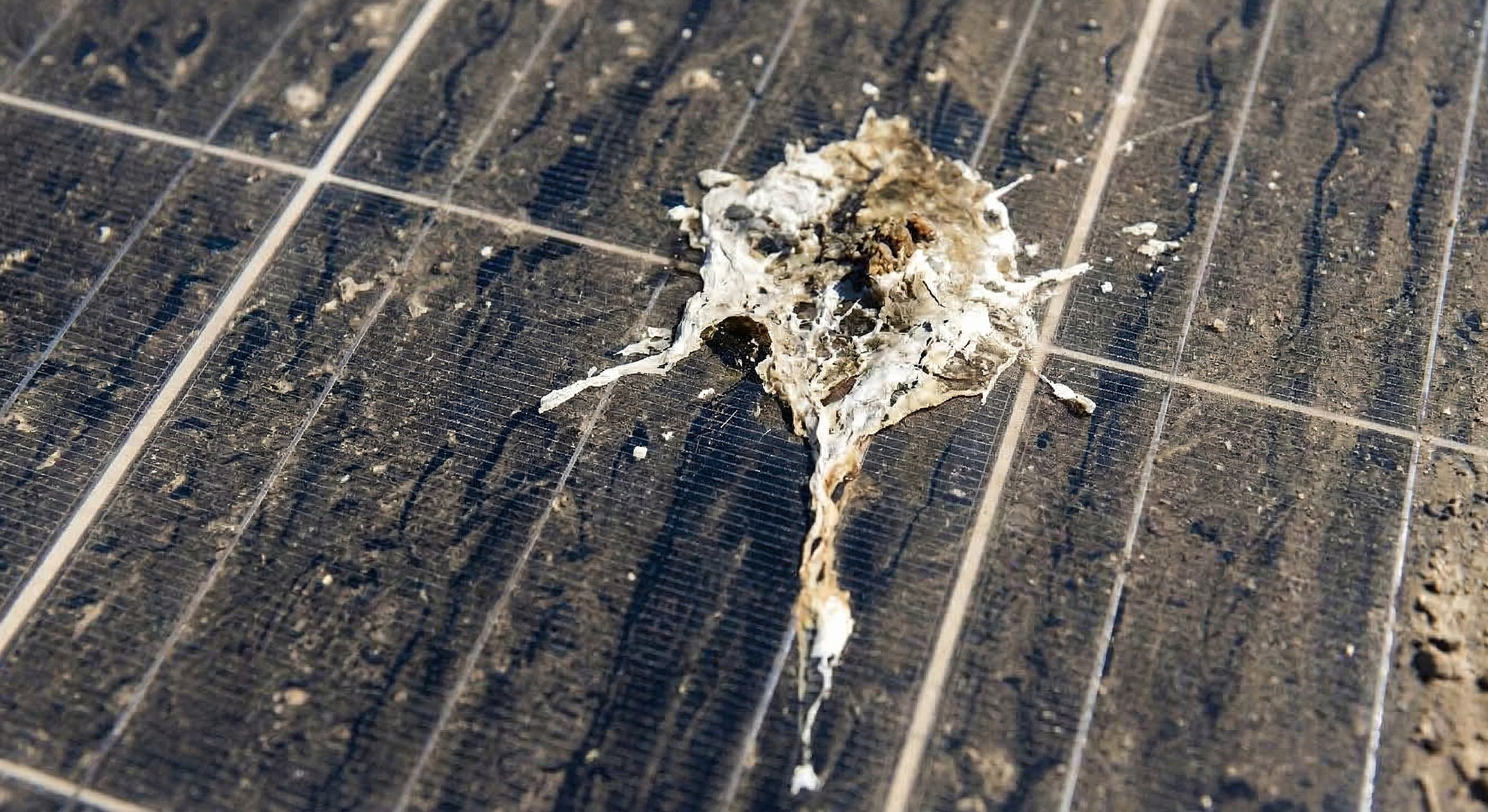
The "Hot Spot" Danger: A single bird dropping doesn't just block one cell; it can create a "hot spot" that forces the entire panel to work harder, increasing the temperature by up to 30°C and potentially causing permanent internal damage.
Clean vs. Dirty: The Restoration Math
Let’s look at the numbers for a typical commercial property owner. If you have a 100kW system that usually generates $15,000 in electricity savings per year, a "moderate" 15% soiling loss means you are losing $2,250 every single year to nothing but dirt.
"But Doesn't the Rain Clean Them?"
This is the most expensive myth in the solar industry. Think of your car’s windshield: Does a quick rain shower leave it crystal clear? No, it usually leaves a muddy film.
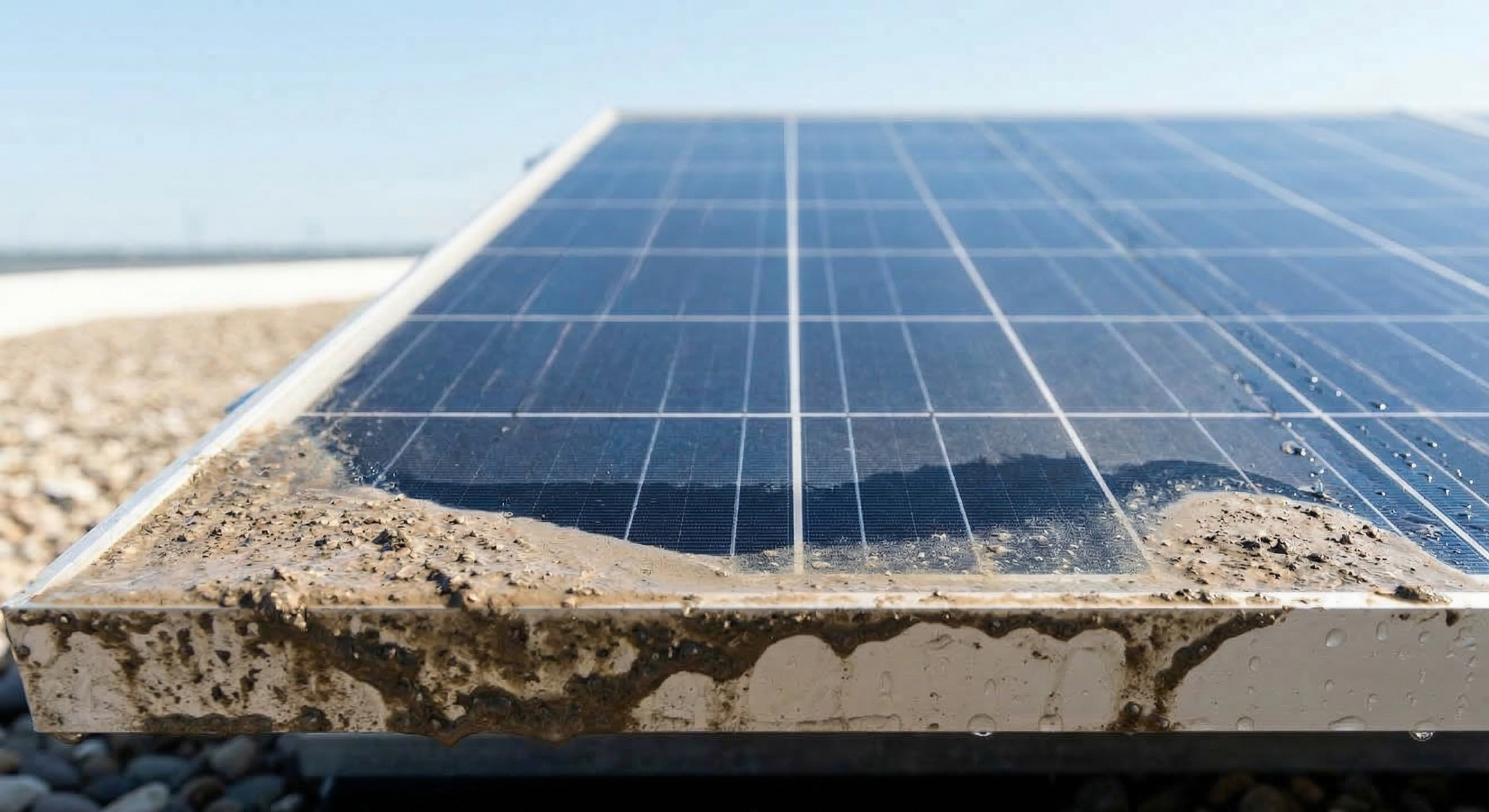
Solar panels are even more sensitive. Rain often washes dust into the bottom corners of the panel frames, creating "mud dams." These dams shade the bottom row of solar cells, which can trigger a disproportionate drop in power output for the entire string of panels.
Professional restoration isn't just a rinse; it’s a specialized process to clear these blockages and restore the anti-reflective coating's integrity.
Protecting Your Investment
Solar panels are a 25-year asset, but they only reach that age if they are maintained.
Accelerated Degradation: Heat trapped by dirt degrades the silicon cells faster.
Warranty Risks: Many manufacturers now include "proper maintenance" clauses. If a panel fails due to a localized hot spot caused by bird guano, your warranty claim might be denied.
Lower Property Value: A solar system is an appraised asset. A system producing at 70% capacity is worth significantly less than a fully restored, high-output system.
The “Pro” Advantage
Restoration is more than a bucket and a ladder. At J&JProperty Pros, we use deionized water and soft-wash technology to ensure we don’t leave mineral deposits or micro-scratches on your glass.
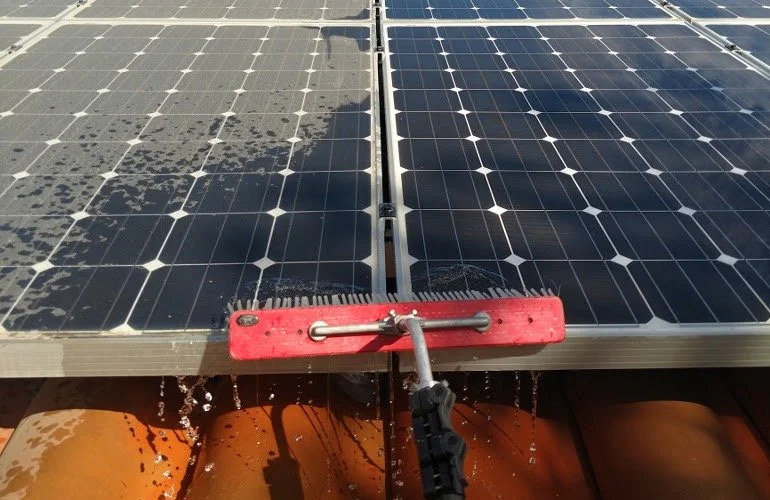
We don't just "clean"—we restore your system to its peak factory-rated performance.
The Bottom Line: If your solar output has dipped, don't blame the sun. The solution is likely a professional restoration that pays for itself in just a few months of increased production.
Is your solar system underperforming?